A homepage has one job before anything else: earn the next scroll. If the opening sequence doesn't create momentum, the rest of the page doesn't matter. Most Shopify homepages are built backwards — they start with what the brand wants to say instead of what the customer needs to feel in the first ten seconds.
The first screen is about direction, not completeness
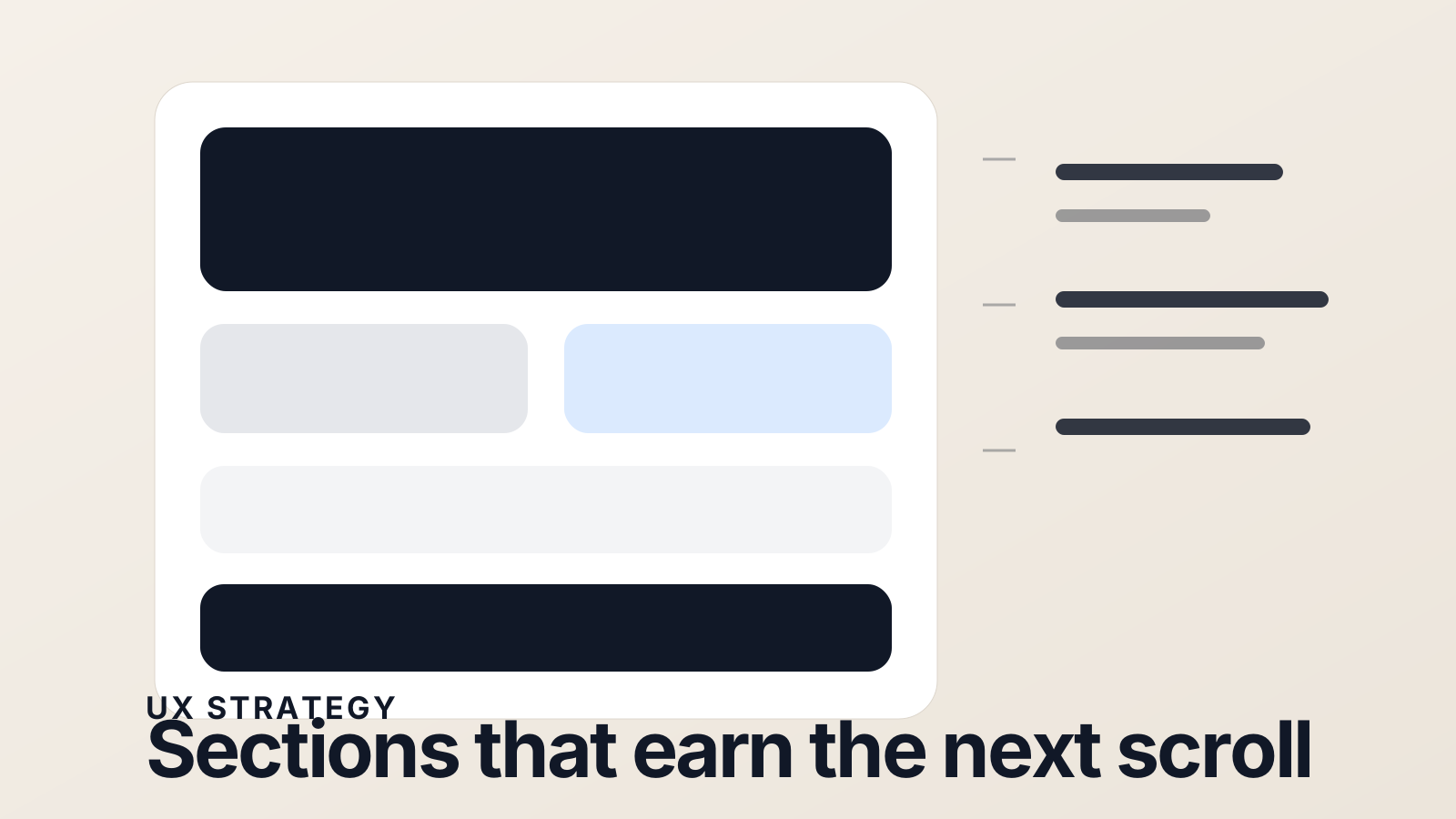
The hero shouldn't explain the entire brand. It should establish position, product logic, and a reason to continue. Strong homepages do this with a clean hierarchy: one dominant headline, one supporting sentence, one meaningful call to action, and a visual that confirms the promise instead of decorating it.
The sections that tend to perform best
- ✓A hero that states the value proposition without sounding like generic brand copy
- ✓A fast proof section with press, outcomes, reviews, or specific product claims
- ✓A product or category gateway that tells people where to go next
- ✓A benefit block that translates product features into customer outcomes
- ✓A trust layer with shipping, guarantees, ingredients, sourcing, or usage clarity
- ✓A final CTA section that reduces friction instead of repeating the hero
What matters is sequence. If you ask for commitment before you've earned confidence, scroll depth drops. If you overload the page with visuals before you've created orientation, people disengage. The best homepages feel obvious in use, even though they are tightly staged underneath.
Where Shopify brands usually get it wrong
They over-explain the brand, under-explain the product, and hide the strongest proof too low on the page. Or they build a visually rich page with no navigational rhythm, which feels expensive but doesn't move anyone toward cart. Scroll depth is rarely a content problem in isolation. It's a sequencing problem.
"A high-performing homepage doesn't dump information. It controls momentum."
— Thought Bulb UX Team
What to audit on your own homepage
Look at the page section by section and ask a blunt question: what is this block helping the customer decide? If the answer is vague, decorative, or internal-facing, the section probably isn't earning its place. Homepages perform when every block advances comprehension, confidence, or action.